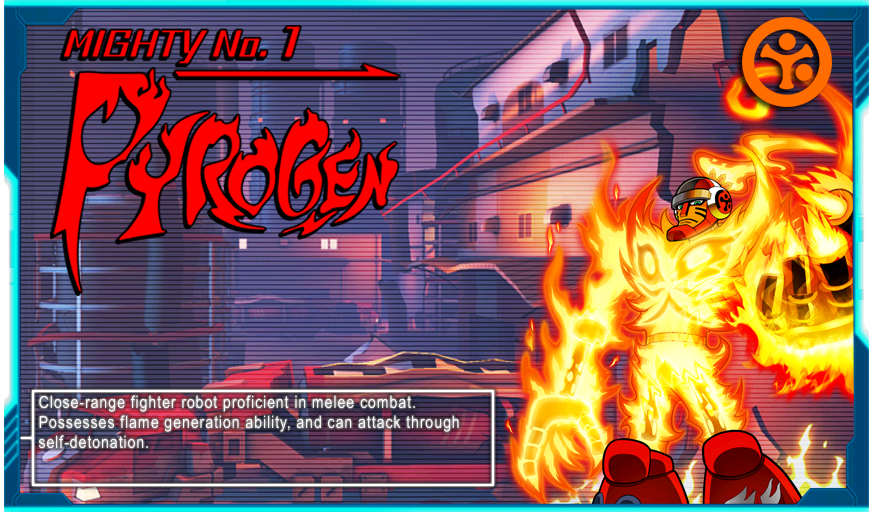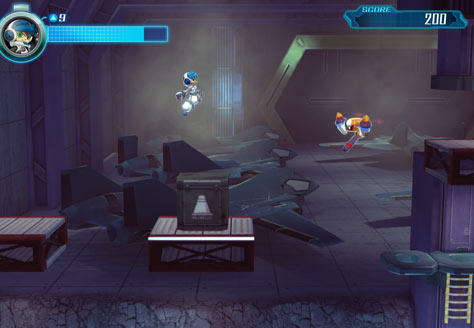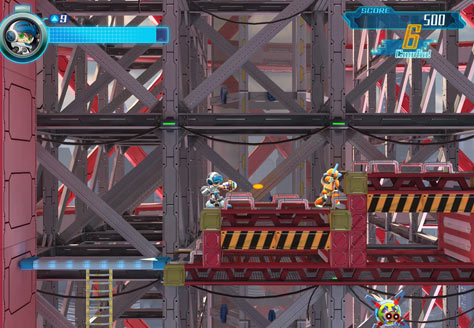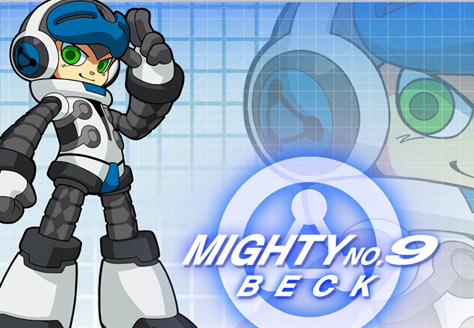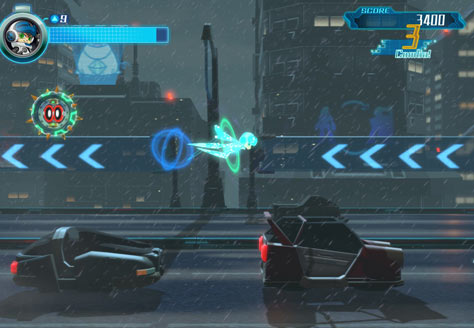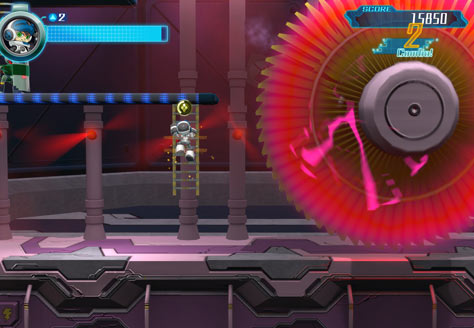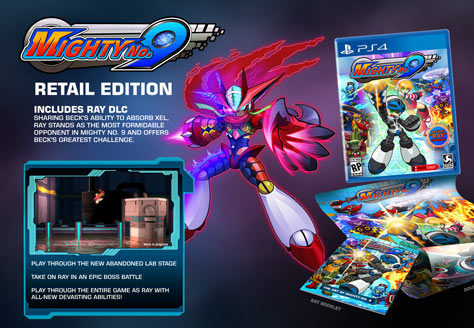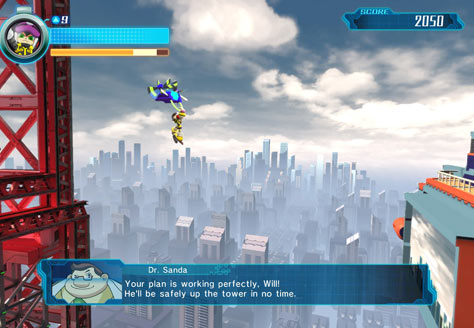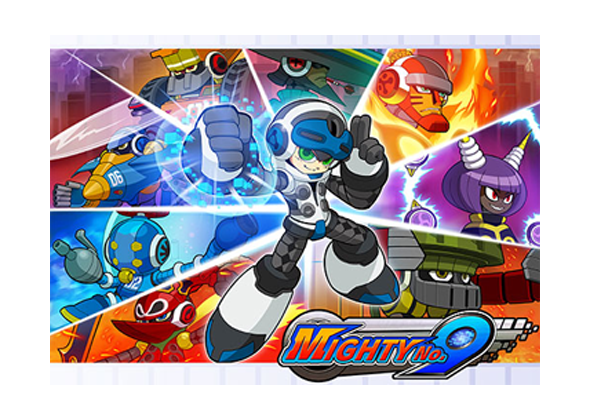










Mighty No. 9 is a side-scrolling action game takes the best elements from 8- and 16-bit classics that you know and love and transforms them with modern tech, fresh mechanics and fan input into something fresh and amazing!
In the year 20XX
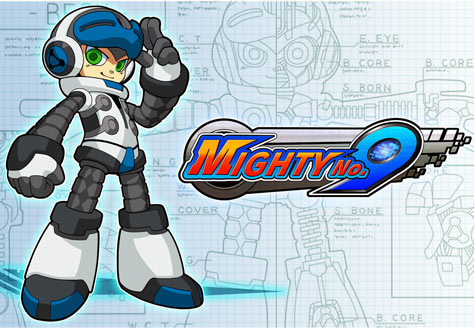
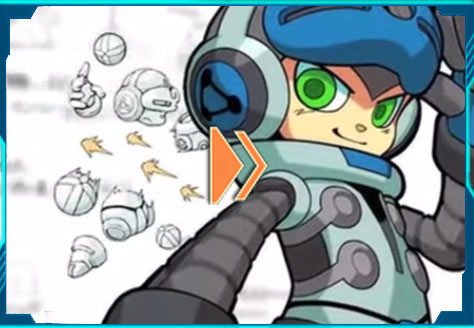
Our hero Beck is the 9th in a line of powerful robots designed to compete in spectacular duels in the Battle Colosseum and is the only one not infected by a mysterious computer virus that has caused mechanized creatures the world over to go berserk.
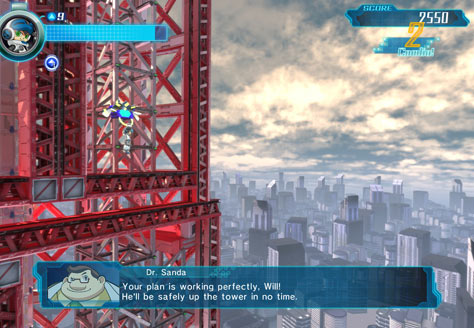
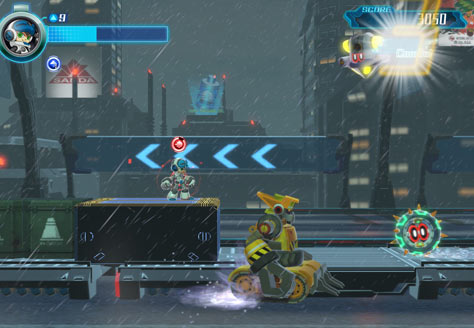
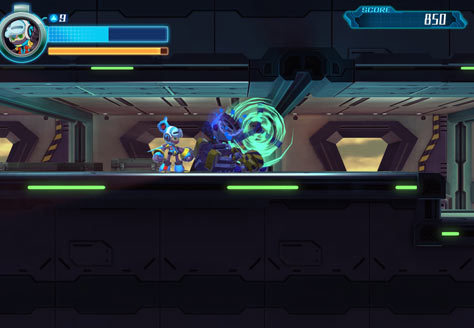
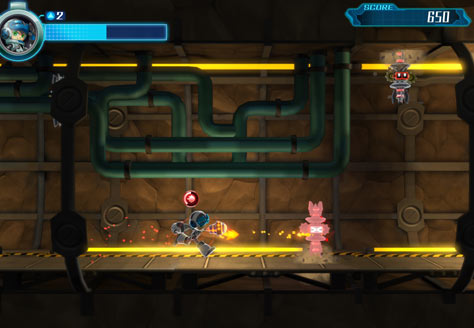
Run, jump, blast, and transform your way through twelve stages using weapons and abilities stolen from your enemies to take down your fellow Mighty Number robots and confront the final evil that threatens the planet!
Run, jump, blast, and transform your way through twelve stages using weapons and abilities stolen from your enemies to take down your fellow Mighty Number robots and confront the final evil that threatens the planet!