Defining Uplink Types
You define uplink types in the Sites & Networks page.
An uplink type is a name for similar functioning uplinks. On the SCC, uplink types can be used across multiple sites and path selection rules can be created using these names. The name must be unique at a site (but it can be same across different sites) so that the system can detect which path selection rule uses which uplinks. Because path selection rules are global on the SCC, you are restricted to 8 uplink types.
Uplink types are the building blocks for path selection. You select the path preference order using the uplink types created, and it is used in various sites. Riverbed recommends that you reuse the same uplink types at different sites in order to label uplinks based on the preference for path selection. For example, you can label uplink types as primary, secondary, and tertiary based on the path selection preference. The uplink type can be based on the type of interface or network resource, such as Verizon or global resource of uplink abstraction that is tied to a network.
Note: On the SteelHead, this field is called the Uplink Name, on the SCC it is the Uplink Type. Riverbed recommends using the same name for an uplink in all sites connecting to the same network.
To define an uplink type
1. Choose Manage > Topology: Sites & Networks to display the Sites & Networks page.
2. Under Uplink Types, click the > to expand the page.
3. Click the + to display the New Uplink Type dialog box.
Figure: New Uplink Types
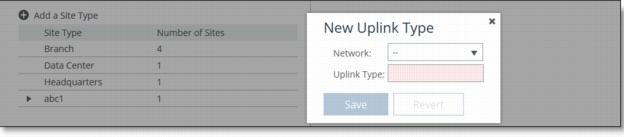
4. Complete the configuration as described in this table.
Dayak Vs Madura 2001 !free! Today
The , widely known as the Sampit Tragedy , was one of the most violent outbreaks of inter-ethnic warfare in modern Indonesian history. Erupting in February 2001 in the port town of Sampit, Central Kalimantan, the violence resulted in more than 500 deaths . It forced the displacement of over 100,000 ethnic Madurese migrants . The event highlighted the volatile undercurrents of Indonesia's state-sponsored migration policies and the fragile social fabric of the post-Suharto Reformasi era. The Root Causes: Migration and Marginalization
The violence spread from Sampit to the provincial capital, Palangkaraya. Along the Trans-Kalimantan highway, roadblocks were set up. There were horrific reports of Madurese refugees being pulled off buses and trucks, identified by their identity cards (which listed their ethnic origin), and killed. The savagery of the conflict shocked the nation, recalling the "Dayak headhunting" stereotypes of the colonial era, which had previously been largely dormant. dayak vs madura 2001
The violence erupted in the town of and rapidly spread across the province. The , widely known as the Sampit Tragedy
5. Click Save to save your settings.