View Facebook Account Without Login Direct
citation for a specific academic project? AI can make mistakes, so double-check responses Copy Creating a public link... You can now share this thread with others Good response Bad response 9 sites Analysis of publicly disclosed information in Facebook profiles Abstract and Figures. Facebook, the most popular Online social network is a virtual environment where users share information and ... ResearchGate Analysis of publicly disclosed information in Facebook profiles is a virtual environment where users share information and are. in contact with friends. Apart from many useful aspects, there. is... ResearchGate No boundaries for Facebook data: third-party trackers abuse ... Apr 18, 2018 —
I understand you're looking for information about viewing Facebook accounts without logging in. However, I should clarify that Facebook's privacy settings and terms of service are designed to protect user data. Here’s a complete and honest overview of what’s possible and what isn’t:
Viewing Facebook Content Without Logging In: Possibilities and Limitations What You Can See Publicly (Without Login) Without a Facebook account, you can only view content that a user has explicitly set to “Public.” This includes:
Public profile information (name, profile picture, cover photo) Public posts (text, photos, videos marked as public) Public pages (businesses, public figures, organizations) view facebook account without login
To view this, you can:
Go directly to facebook.com/username Use a search engine to find public profiles (e.g., “site:facebook.com [name]”)
What You Cannot See Without logging in, you cannot access: citation for a specific academic project
Private profiles or posts Friends-only content Photos or videos restricted to specific audiences Private groups or their content Messenger conversations Timeline details beyond public info
Why Facebook Restricts Access Facebook enforces login requirements to:
Protect user privacy Comply with data protection laws (GDPR, CCPA) Prevent scraping, stalking, and unauthorized data collection Maintain platform security Facebook, the most popular Online social network is
Workarounds That Do NOT Work
Third-party “viewer” tools – These are scams; they cannot bypass Facebook’s privacy controls. Using cached or archived pages – May show old public content but not private data. Fake or temporary accounts – Violates Facebook’s terms and can lead to legal consequences.
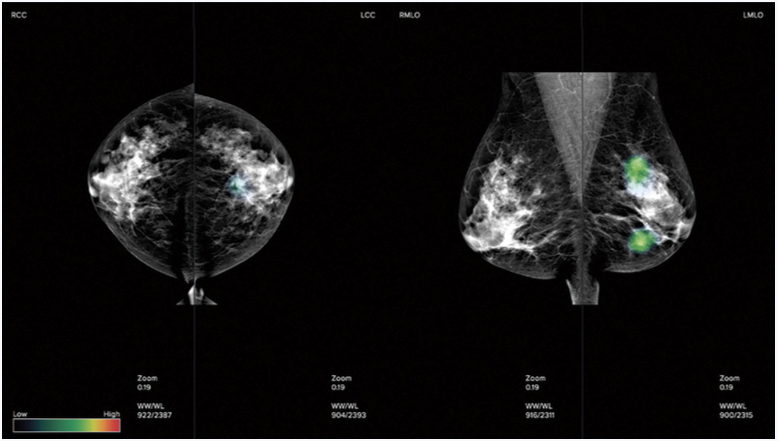
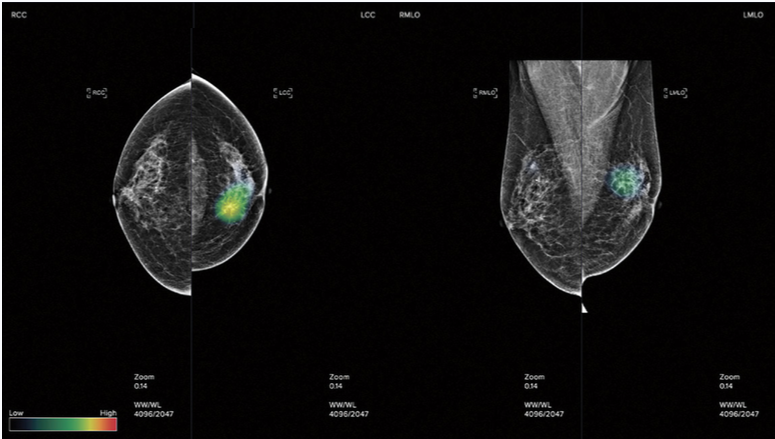
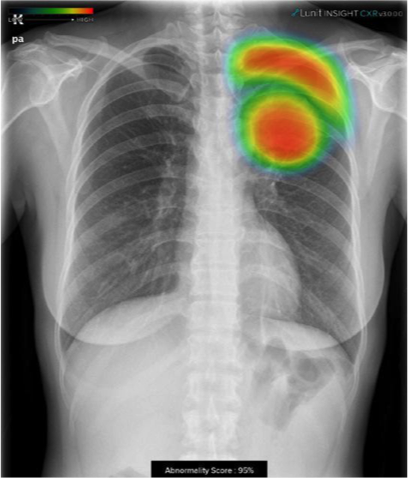
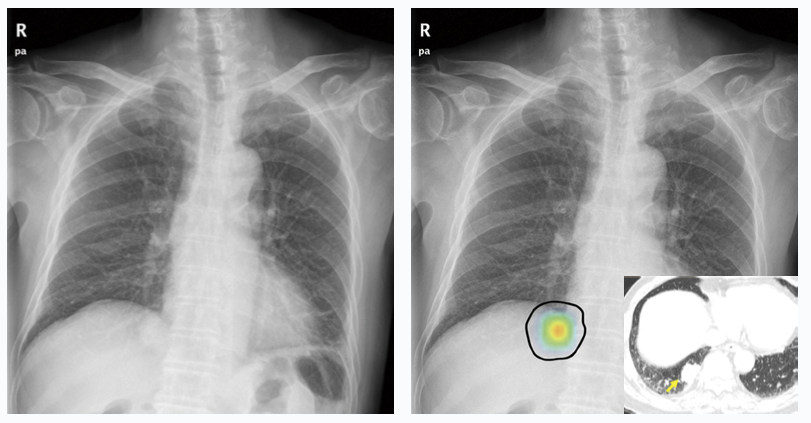 CASO 1: Câncer de pulmão localizado no lobo inferior direito.
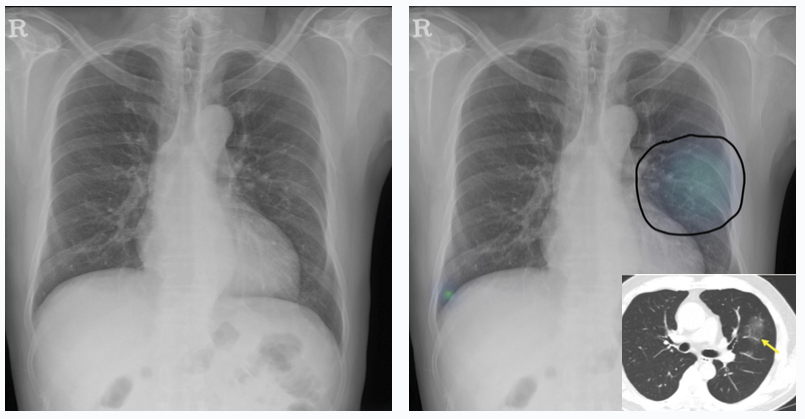 CASO 2: Pneumonia localizada na área do pulmão médio esquerdo.